





























Tech Specs
At A Glance
Geometry
WEIGHT170g
STACK & PITCH39mm Heel 35mm Forefoot
MIDSOLEPeba and ATPU
Fit & Use
TECHLightstrike Pro Midsole Lightlock Upper Energy Rim
FITTrue to size
BEST USERoad Racing, Half Marathon and Up
Market
PRICE$420
LAUNCH22.9.26
COMPETITION—
First Look
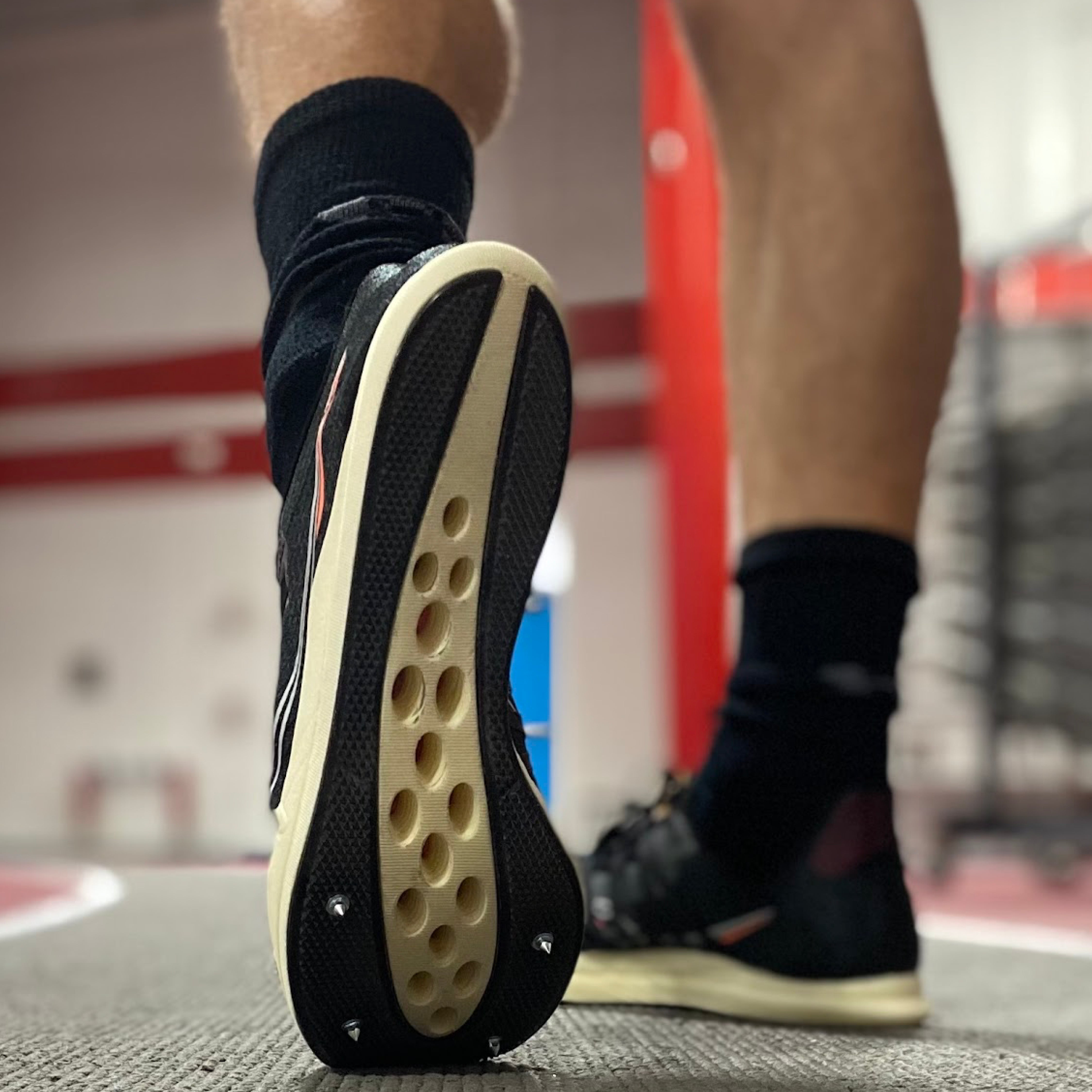
We are now seeing a clear line between racing shoes for the few and racing shoes for the many. Adidas have overhauled their Adizero Pro 4 to become a more stable, more accommodating and more democratic for version 5. Although for a subset of people with a particular gait cycle there does seem to be a small problem in outsole wear.
I did say about this time last year we will see a shift away from incredibly stiff, ridged and aggressive marathon racing shoes as brands get more clever with foams we can begin to put material back into the cute cutouts and marketing driven technology show pieces and lean into practical and more sensible design decisions without leaving weight on the table
I did say about this time last year we will see a shift away from incredibly stiff, ridged and aggressive marathon racing shoes as brands get more clever with foams we can begin to put material back into the cute cutouts and marketing driven technology show pieces and lean into practical and more sensible design decisions without leaving weight on the table
The Fit
I went with my usual US 8.5 and ran a marathon straight out of the box with no issues.
The width is what I would expect from a racing shoe and the volume is too. I could feel the upper all over my foot, but the softness meant I didn’t notice it while out running. I would take care and if your arch is flater and falls over the medial side that it doesn’t run just behind the first metatarsal head. The way the rim is shaped there may cause a hot spot.
The width is what I would expect from a racing shoe and the volume is too. I could feel the upper all over my foot, but the softness meant I didn’t notice it while out running. I would take care and if your arch is flater and falls over the medial side that it doesn’t run just behind the first metatarsal head. The way the rim is shaped there may cause a hot spot.


The Feel
Adidas have gone with a two-tier dual layered midsole material. A Peba top layer and an ATPU bottom layer utilize the best of the two most efficient foams we have. The ATPU a more resilient and firmer material (although does lack some energy return) acts to stablish the rear foot, not give out to much and with the help of the energy rim, a far better posterior bevel and wider geometry completely sures up the rear and midfoot platform. The Pebax top layer (80% in the forefoot and 20% in the rearfoot) is a much more compliant material, with more foam packed under the forefoot the Pro 5 is undeniably more comfortable. The lightlock 2.0 upper is the best in class and adidas have removed the heel counter irritant from the 4. The volume in the toe box is a little low and my toes did touch the upper. Although for a racing shoe I don’t mind that. The midfoot has good lock down and the laces hold firm.
The energy rim is an interesting concept. We know that for the wider population the new thermoplastic midsoles are doing most of the magic, and certain sides of our industry has alluded full carbon plates may be detrimental to long term adaptations, health or increase certain injury risk. By just having the stiffener on the outer rim, adidas are trying to maintain the longitudinal and torsional stiffness the plate would have created but give you all that bounce and comfort of the best foams. But does it feel fast? I’m not going to answer that. But remember this. The fastest shoe does not and very rarely gets you to the finish line the fastest. The rim technology also gives them the option to steady up the medial midfoot and create some sort of resistance to medial compression if you have a gait cycle that needs it.
The energy rim is an interesting concept. We know that for the wider population the new thermoplastic midsoles are doing most of the magic, and certain sides of our industry has alluded full carbon plates may be detrimental to long term adaptations, health or increase certain injury risk. By just having the stiffener on the outer rim, adidas are trying to maintain the longitudinal and torsional stiffness the plate would have created but give you all that bounce and comfort of the best foams. But does it feel fast? I’m not going to answer that. But remember this. The fastest shoe does not and very rarely gets you to the finish line the fastest. The rim technology also gives them the option to steady up the medial midfoot and create some sort of resistance to medial compression if you have a gait cycle that needs it.


Function
For me this is a true marathon racing shoe, it’s a step towards exploring how we can increase the likelihood of keeping our bodies in one piece towards the end of a marathon. On Sunday I ran a very comfortable 2:57 in Berlin. Over the last 8 weeks I have had a pair to try, I’ve done 400m reps, 1km reps and longer threshold work. For comfort underfoot and stability of the lower legs this ones gets a good grade. I would call it smooth before I called it aggressive. The sweet spot is in the 36mm of Peba under the forefoot, if you can hit that clean on it’s a dream and very responsive


The Verdict
Summary
Now to address the elephant in the room. There is no doubt that it has been getting a beating online for the forefoot lateral wear and tear. Fundamentally Adidas did almost everything right in the making of this shoe and after meeting the guys in charge of it’s creation I know they put hours of effort into it. All the instabilities and critics I had of 4 where addressed and fixed.
But it doesn’t stop the fact that it does have one weak spot. Leaving the lateral forefoot Peba exposed was always going to be a risk. It is a design feature also in the evo SL. The idea to speed resupination in the gait cycle. But once you couple with a decent amount of medial forefoot flaring anyone with a foot strike at all lateral will be at risk of chewing this out. The issue will become worse the faster someone runs or the more bow-legged they are. This will not happen to everyone, and I wouldn’t be surprised if there is a fix before the next production run. I can say that after running 42.2k + a shuffle to the start mine are fine. But the risk is there for a set of people. As with anything there are always improvements to be made, and I would like to remind the world that real people work on these things.
To sum it up, I think this is an upgrade from Adidas and an interesting direction and thought process behind getting the human to the hardest part of a marathon feeling fresher and more energetic. We’ll continue to monitor the durability and as always remove the risk from the people wanting to try it.
But it doesn’t stop the fact that it does have one weak spot. Leaving the lateral forefoot Peba exposed was always going to be a risk. It is a design feature also in the evo SL. The idea to speed resupination in the gait cycle. But once you couple with a decent amount of medial forefoot flaring anyone with a foot strike at all lateral will be at risk of chewing this out. The issue will become worse the faster someone runs or the more bow-legged they are. This will not happen to everyone, and I wouldn’t be surprised if there is a fix before the next production run. I can say that after running 42.2k + a shuffle to the start mine are fine. But the risk is there for a set of people. As with anything there are always improvements to be made, and I would like to remind the world that real people work on these things.
To sum it up, I think this is an upgrade from Adidas and an interesting direction and thought process behind getting the human to the hardest part of a marathon feeling fresher and more energetic. We’ll continue to monitor the durability and as always remove the risk from the people wanting to try it.


The Authors

