





































Tech Specs
At A Glance
Geometry
WEIGHT221g Mens Size US 9
STACK & PITCH40mm/36mm 4mm Drop
MIDSOLEATPU
Fit & Use
TECHATPU Infinion Midsole, PU outsole, Fantom Fit Upper
FITLow Volume and a touch short.
BEST USERoad Running - Long Marathon Training Runs
Market
PRICE$350
LAUNCH1.8.26
COMPETITIONAsics Sonicblast, Hoka Mach x3, Saucony Endorphin Speed 5
First Look
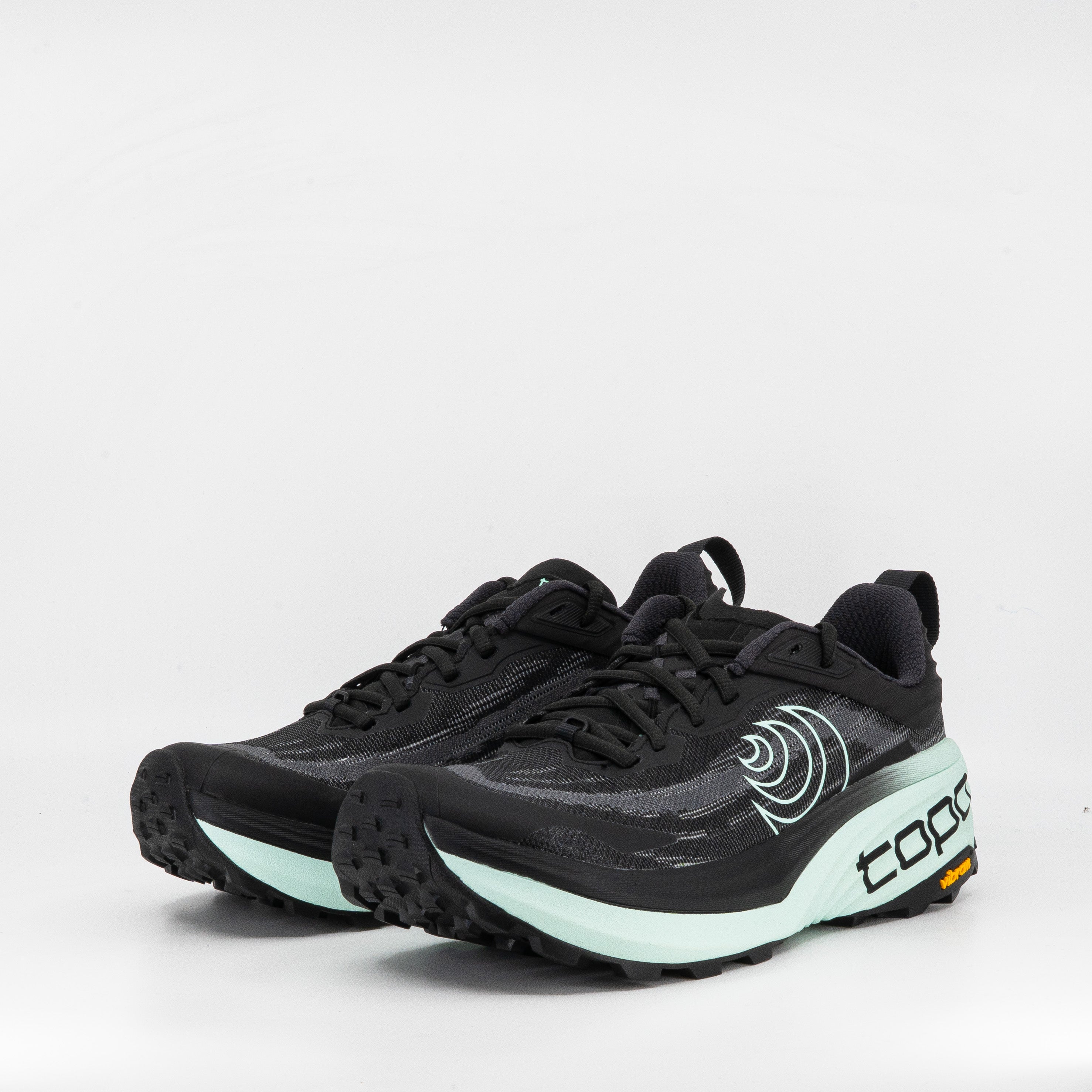
So where does this one fit? I'm still a big fan of getting your body and tissue used to the loading patterns of a stiffer shoe if the intention is to wear a carbon racing shoe on event day. The New Balance SC Rebel v1 is a fantastic intermediary option for those looking for a smooth, rolling, cadence-driven performance trainer. It will excel on long marathon training runs with a pickup. The less aggressive plate and race-legal stack height (40mm/36mm) also make it a viable Ironman race shoe. It's supportive enough for those last 12–14km, and light enough to warrant consideration. Using the plate for stability and ground feel as its primary objective, New Balance has found a way to broaden the use case and widen the end-user profile. At $350 NZD it's fair, and an open door into the plated trainer category for more people.
The New Balance SuperComp Rebel v1 launched in early August, with more colours from September.
The New Balance SuperComp Rebel v1 launched in early August, with more colours from September.
The Fit
Using their FantomFit upper, it locks down in all the right places (I found the heel a touch wide, but a lace lock fixed that). Overlays add stability, and the mesh is very breathable. It feels a lot like a New Balance racing shoe of old. The volume in the toe box is shallow, and I wouldn't say it fits with much volume. The tapered toe box meant I ended up in a men's US 9, rather than an 8.5.


The Feel
The rocker looks steep, but because the plate has some purchase you can manipulate the toe spring, and your toes aren't held in constant extension like in other models. There are subtle sidewalls in the rearfoot to give stability to a heel striker, and the gentle slope of the plate makes the transition from heel to forefoot very smooth. The midfoot narrows a little on the medial side, but the hope is that the roll of the shoe limits ground contact time.
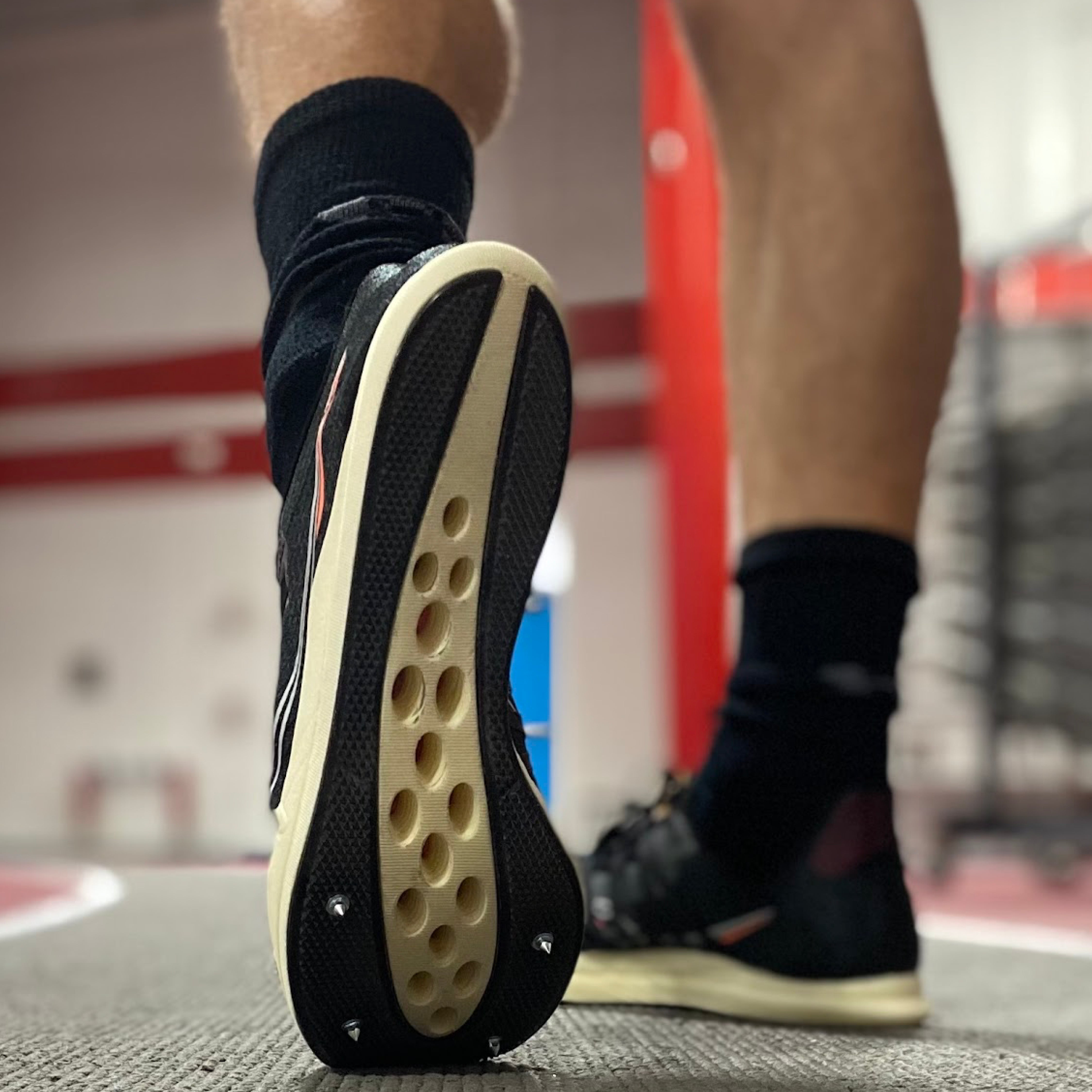
The PU outsole is tacky and durable in most conditions, adding further to the versatility. There's great coverage on both the lateral and medial heel, and a full forefoot piece means you get great feel wherever you strike.
The PU outsole is tacky and durable in most conditions, adding further to the versatility. There's great coverage on both the lateral and medial heel, and a full forefoot piece means you get great feel wherever you strike.


Function
It's been no secret that the plated daily trainer category has taken a hit. Advances in midsole materials mean a plate as a foam stiffener isn't always necessary. Couple that with a little scaremongering about the negative side effects of a plate, and these things tend to happen.A big leap forward in midsole materials sees New Balance introduce an ATPU iteration of the Infinion midsole foam in both the Elite and SC Rebel for their August releases. Across the SC trainer line, the Elite v4 and Rebel v5 designs show a well-thought-out geometry built for smooth speed.
The retooling of the slightly more flexible carbon composite plate, and its closer-to-the-ground placement, takes the idea from a springboard to a smooth, cadence-driven trainer. The plate adds solid ground stability; sandwiched between the midsole and outsole, the slotted design allows some lateral-to-medial flexibility while offering medial big-toe support and, when loaded, some longitudinal stiffness. This placement does mean it isn't explosive — the plate sitting close to the ground dulls the resilience/bounce of the midsole. But for this execution it's a practical trade-off, and one I can get behind. It helps keep the shoe versatile at the higher end.
The retooling of the slightly more flexible carbon composite plate, and its closer-to-the-ground placement, takes the idea from a springboard to a smooth, cadence-driven trainer. The plate adds solid ground stability; sandwiched between the midsole and outsole, the slotted design allows some lateral-to-medial flexibility while offering medial big-toe support and, when loaded, some longitudinal stiffness. This placement does mean it isn't explosive — the plate sitting close to the ground dulls the resilience/bounce of the midsole. But for this execution it's a practical trade-off, and one I can get behind. It helps keep the shoe versatile at the higher end.


The Verdict
Summary
A big leap forward in midsole materials sees New Balance introduce an ATPU iteration of the Infinion midsole foam in both the Elite and SC Rebel for their August releases.


The Authors

